
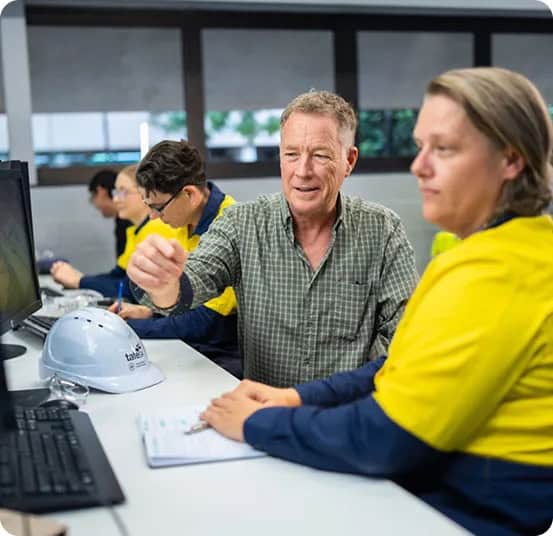
South Australia is forecast to need more than 10,000 additional defence industry workers by 2040, including up to 5,500 jobs to build the SSN-AUKUS (nuclear-powered submarines) and more than 4,000 additional construction workers for the design and building of the nuclear-powered submarine construction yard at Osborne.
And this workforce is being developed through sustained efforts over many years.
The South Australian Defence Industry Workforce and Skills (SADIWS) Report and Action Plan, designed in partnership with the Australian Government, industry, academia, education and training providers and unions, is a coordinated approach designed to attract, train and retain the highly skilled and experienced defence industry workforce required into the future.
A key action under the plan is the Defence Industry Pathways Program (DIPP), a 12-month traineeship program delivering a Certificate III in Defence Industry Pathways to fill critical roles such as logistics, engineering, drafting, design, safety and cybersecurity.
Jointly funded by the Australian Government through Australian Submarine Agency and the South Australian Government, and delivered by TAFE SA and group training organisation PEER, DIPP is opening the door to the industry for people who have no background in defence.
PEER manager workforce programs and partnerships Teresa Bakaouka said the 12-month program gives people a better understanding of the roles involved in defence industries, and involves classroom-based work, as well as a series of placements.
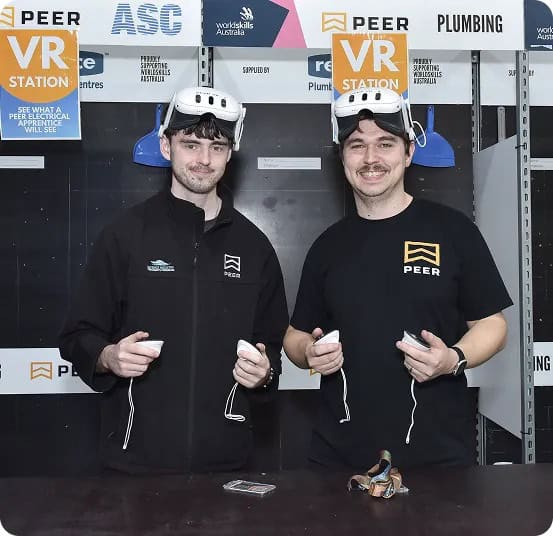
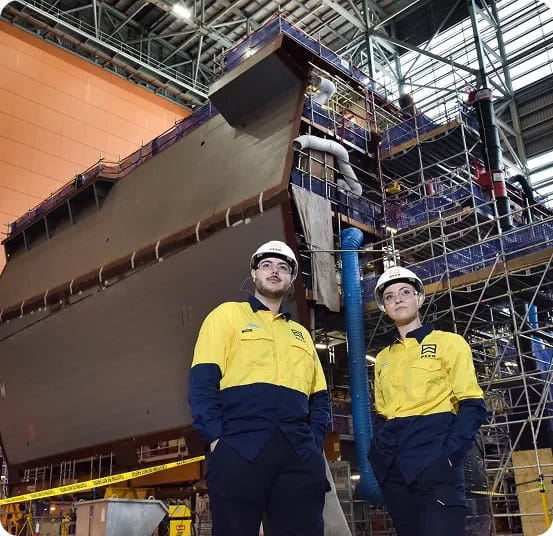
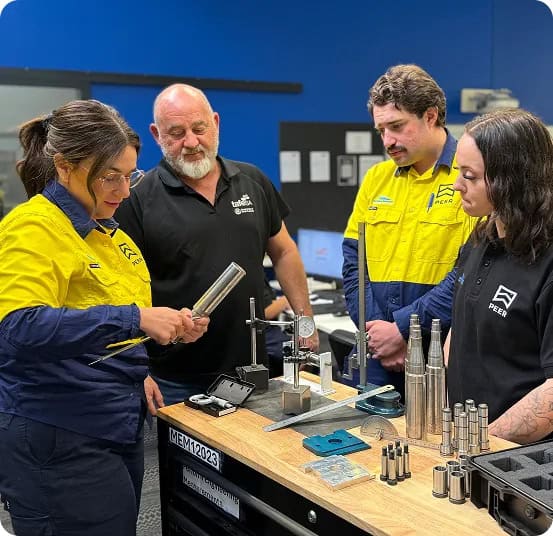
The pathways that are introduced to DIPP participants are varied – and include everything from procurement through to technical drawing.
“We’re getting people exposed to the defence industry and making them employable,” Ms Bakaouka said.
One of the biggest reasons the DIPP is so important is it is bringing people from outside defence in. Even for people qualified in fields such as engineering – without a defence industry company on your CV, it can be hard to break in.
PEER talent and industry lead – DIPP program SA Melanie Ryan said she has people from all backgrounds applying.
“We’ve got people with computer science degrees and engineering degrees who want to get their foot in the door of the industry, and haven’t been able to do so yet,” Ms Ryan said. “We’ve got 17-year-olds with minimal life experience. In this intake we have someone who has spent more than 20 years as a police officer looking for a career change,” she added.
Although the program is sponsored by the Australian Submarine Agency (ASA) and the Department of State Development (DSD), it is far broader than an introduction to shipbuilding.
“Ultimately we’re trying to bolster the workforce for the maritime defence industry,” Ms Bakouka said. “But South Australia’s defence industry is so much broader than that.
So they allow us to host our trainees to a really broad range of organisations.”
With the sixth DIPP intake currently underway, dozens of graduates are now beginning their careers.
“It’s life-changing,” Ms Bakouka said. “We can see the transformation people go through and we can see the careers that people are going to go on and have, that they wouldn’t otherwise have.”